EndoTODAY 내시경 교실
Beginner | ESA | Schedule | OPD
Seminars | Atlas | Recent | Links
 [특수한 상황의 헬리코박터 제균치료. Helicobacter eradication in special situation] - 終
PDF. 2025 헬리코박터 아카데미. 태정현 교수님 강의록
1. 만성 신부전 chronic renal failure/신장이식 kidney transplantation
4. 임신 pregnancy
5. Statin 사용 환자
8. 소아청소년 제균치료
9. 저체중
10. FAQs
11. References
2026-4-18. 순천만내시경세미나
 1-1. 만성 신부전
만성 신질환 환자에서도 GFR이 정상이면 정상 용량, GRF이 감소하였으면 그에 맞춰 처방하면 됩니다.
참고: 전준석 교수님 webseminar 01:11:14 부분을 보십시오. 2026-8. log-in 要
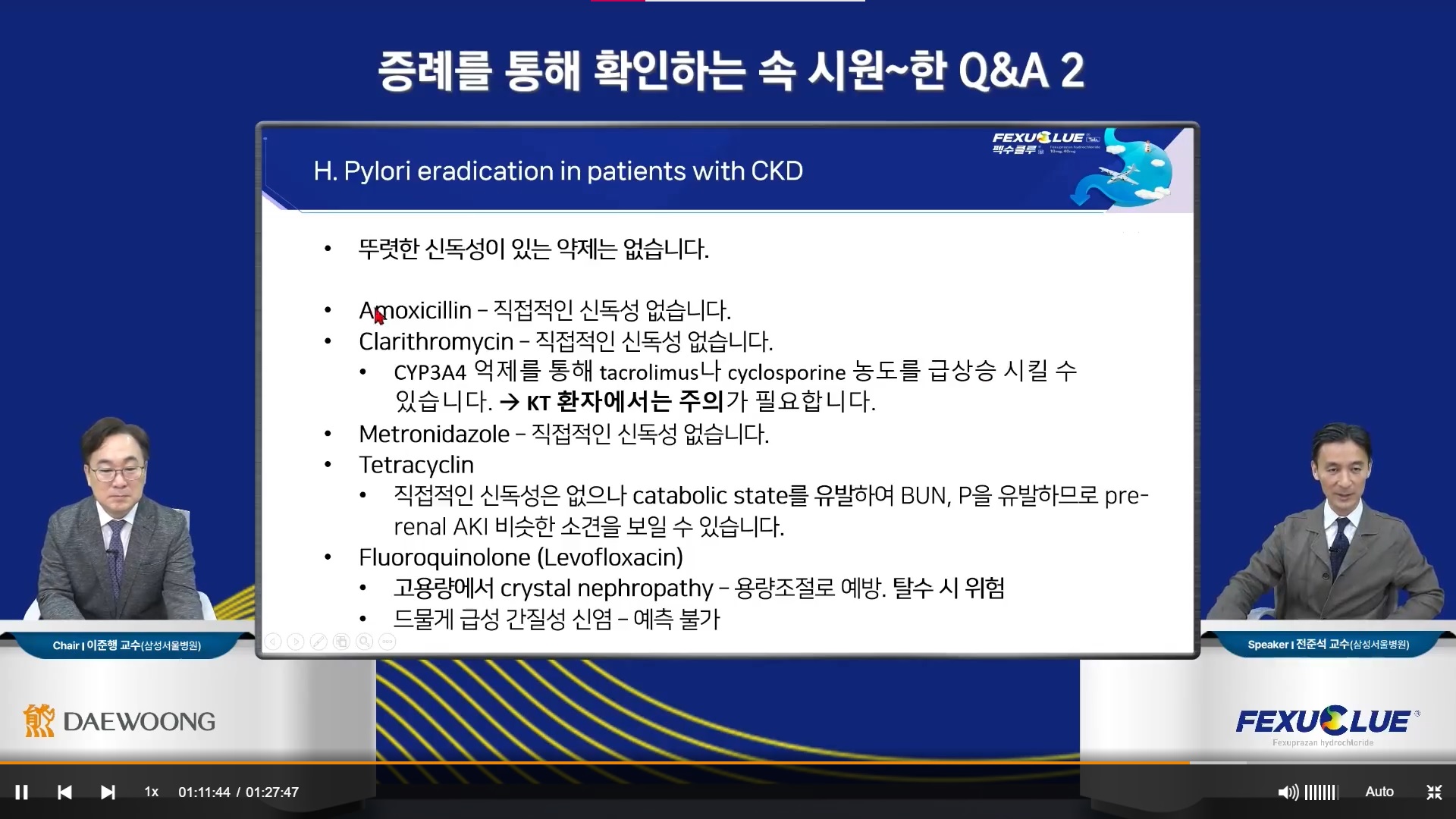
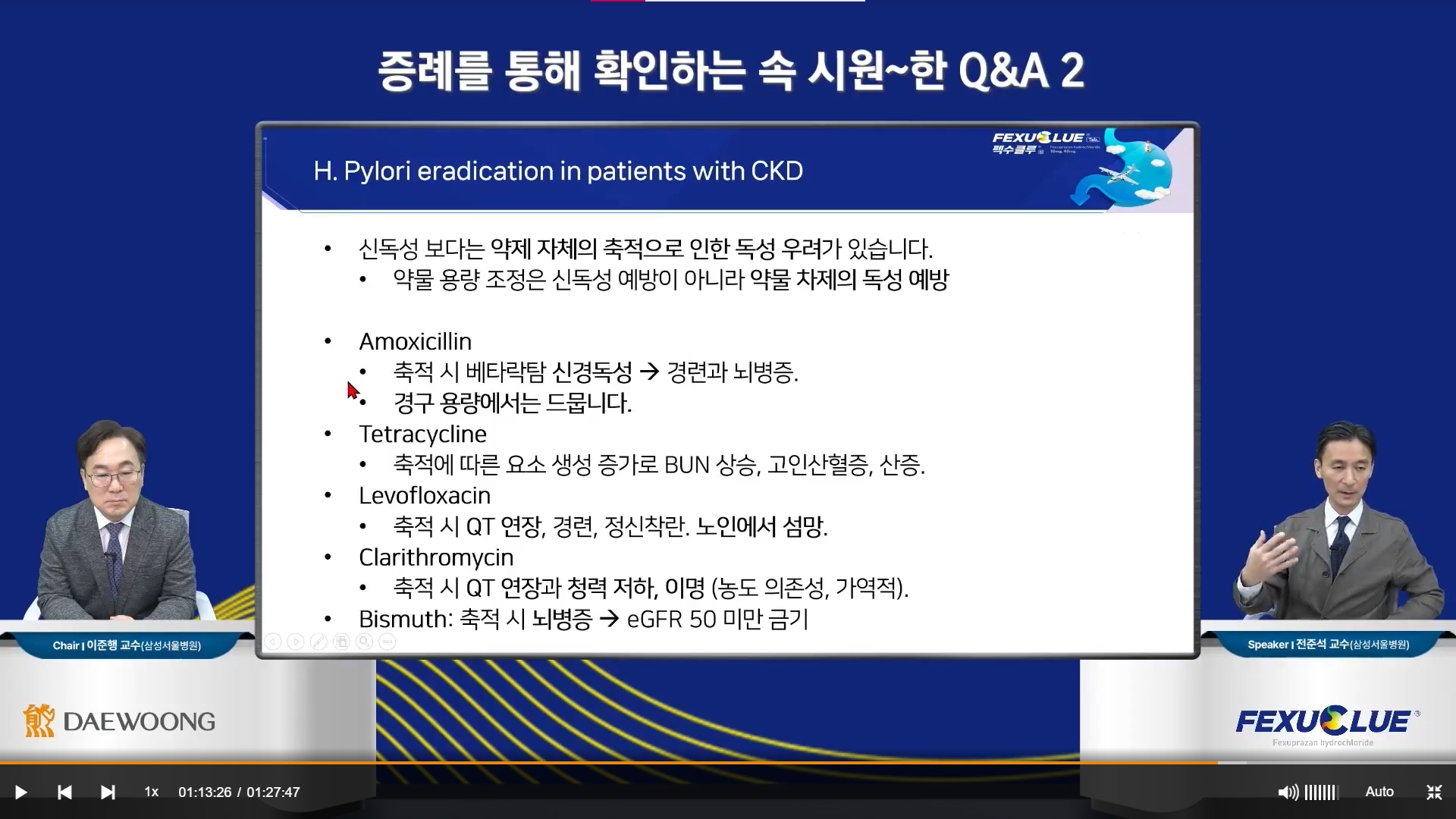
GRF에 따라 정확히 약을 나누어 줄 수 없는 경우가 많습니다. 그럴 때에는 하루 두번 1-2주일 드리는 약을 하루 한번 1-2주일 드시도록, 즉 전체적인 용량을 절반으로 줄이면 편합니다. 아주 정확한 용량은 아니지만 현실적인 방법이라고 할 수 있습니다. 신부전 환자에서 bithmus는 금기입니다 (AKI 가능).
[강의 메모]
2025-10-26. 헬리코박터 아카데미. 태정현 교수님
2025-10-26. 헬리코박터 아카데미. 태정현 교수님
2025-10-26. 헬리코박터 아카데미. 태정현 교수님
1-2. 신장이식환자 kidney transplantation
[2026-9-7. 이준행 질문]
신장 이식 환자의 헬리코박터 제균치료 전략에 대한 선생님의 의견을 부탁드립니다.
[2026-9-7. 전준석 교수님 답변]
이식환자에서 H. pylori 제균치료를 어떻게 해야하는지에 대해서는 딱히 가이드는 없는 것 같습니다.
다만, clarithromycin은 강력한 CYP3A4 억제제이므로 tacrolimus, cyclosporine, sirolimus, everolimus 농도를 급격히 올릴 수 있습니다. 따라서 치료 시작 전 상기 약제 용량을 감량해야하고 치료 중 TDM을 해야합니다. 하지만 1/3로 용량을 감량한다고 해서 trough level이 잘 맞추어진다는 보장이 없어서 trough level을 자주 제면서 용량을 조절해야하는데 이게 상당히 번거롭습니다.
그래서 개인적인 의견은 가능하다면 clarithromycin을 피하는 것이 좋을 것 같습니다. 신기능이 잘 유지된다면 amoxicillin, metronidazole, tetracycline, bismuth 기반 3제 또는 4제를 추천드리며 신기능이 떨어져 있다면 bismuth를 regimen이 좋을 것 같습니다. 이 환자는 eGFR 50 이상으로 신기능은 유지되므로 bismuth 포함 4제가 가능하겠습니다. 이 경우 치료 중 면역억제제는 그대로 유지하면 되겠습니다.
2. Penicillin allergy
[2016-7-19. 애독자 질문]
페니실린 알러지가 있는 환자에서 헬리코박터 1차 제균치료 처방에 대하여 질문드립니다. 가끔 페니실린 알러지가 있는 사람에서 궤양이나 궤양 반흔이 있고 CLOtest 양성이 나오는 경우가 있습니다. 이럴 경우 처방은 어찌 하시는지 궁금합니다.
우리나라에는 워낙 clarithromycin 내성이 많아 3제 요법에서 amoxicillin을 빼고 처방한다면 제균률이 많이 떨어질 것 같습니다. 그렇다고 바로 2차약제를 처방하기도 조그 그렇고..... 검진기관이라 바로 quinolone 병합 처방을 하기도 부담이 됩니다.
일단 오늘 방문한 환자는 처방하지 않고 상급의료기관에서 refer를 보내기는 했습니다. 추후에 이런 환자들이 올 경우 계속 refer를 보내는 것이 좋을지 아니면 적절히 처방하고 UBT f/u을 하는 것이 좋을지요.
음.... 사실 병원에 있을 때 이런 고민들을 별로 해 본 적이 없었는데 (왜 그랬는지는 잘 모르겠습니다^^;;) 강호에 나와 환자를 진료하고 내시경을 하다보니 궁금한 점들이 점점 더 많아지는 것 같아서.... 걱정입니다 ㅠㅠ
[2016-8-7. 이준행 답변]
좋은 질문입니다. 저도 환자 진료가 늘 어렵습니다. 생각하지 못했던 문제를 만나는 경우가 한두번이 아닙니다. 문헌을 찾아보고 동료 선후배와 토론하는 수 밖에 없습니다. '환자 진료 = 끝없는 공부'입니다.
병력에서 페니실린 알러지가 있다는 환자 중 실제로 페니실린 알러지가 있는 환자는 생각보다 많지 않습니다. 문제는 적절한 skin test 없이 진짜 알러지를 알 수 없다는 것입니다. 참고문헌(Sanjib Bhattacharya. J Adv Pharm Technol Res 2010)을 조금 길게 옮깁니다.
"Clinicians commonly encounter patients with a history of allergy to penicillin and other ß-lactam antibiotics. However, it is known that about 90% of these patients are not truly allergic and could safely receive ß-lactam antibiotics. The seriousness of the problem posed by drug allergies is perhaps overblown in part because of the loose use of the word “allergy,” to refer to all immunologically mediated reactions. When assessing an allergy to penicillin the first issue is to establish whether or not a true allergic IgE mediated reaction has taken place. Instead, these patients are often treated unnecessarily with an alternate broad spectrum antibiotic, which could increase costs and contribute to the development and spread of multiple drug-resistant bacteria.
The frequently cited figures of 10 % cross reactivity between penicillin and cephalosporin is perhaps an overestimate. The degree of cross-reactivity between cephalosporins and penicillins depends on the generation of cephalosporins, being higher with earlier generation cephalosporins. Cross reactivity between penicillin and second and third generation cephalosporin is low and may be lower than the cross reactivity between penicillin and unrelated antibiotics. In addition, the frequency of immediate allergic reactions to cephalosporins is considerably lower compared to penicillins, and cross-reactivity among cephalosporins is lower compared to cross-reactivity between penicillin and cephalosporins."
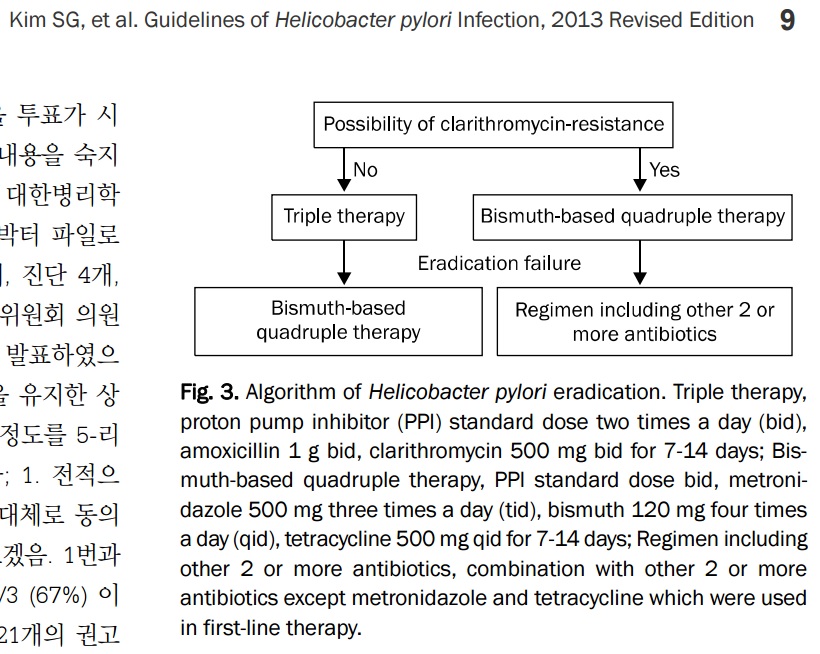
알러지 전문가에 의뢰하여 페니실린 알러지 유무를 확인하기 전까지는 조심해서 처방하는 수 밖에 없습니다. 보통 두 가지 방법 중 하나를 씁니다. (1) PPI + clarithromycin + metronidazole 또는 (2) bismuth-based quadruple therapy입니다.
저는 페니실린 알러지 환자의 첫 치료로 4제 요법을 처방하고 있습니다. 2013년 대한상부위장관,헬리코박터학회 가이드라인(Kim SK. Korean J Gastroenterol 2013)에서 초치료로 4제 요법을 사용할 수 있다고 언급한 부분도 고려한 결정입니다. (2021-6-26 이준행 註: 2020년 4차 가이드라인에서는 일반적인 초치료로 4제 요법을 사용하지 않도록 권하고 있습니다. 그러나 페니실린 알러지 환자에서는 예외입니다)
검진 기관에서도 일반적인 환자의 진단과 치료는 할 수 있어야 한다고 생각합니다. 중증 페니실린 알러지의 과거력이 있는 경우라면 모를까, 그렇지 않은 경우에는 적절히 주의하고 잘 설명한 후 직접 처방하셔도 무방하다고 봅니다.
'검진 내시경이 주업무이고 조금만 이상하면 상급 기관으로 의뢰한다'는 편한 생각보다는 원칙에 따라 책임지는 자세로 정밀하게 검사하고 적절하게 치료한다는 태도가 필요합니다. 물론 현실은 쉽지 않겠지만......
[2026-5-18] 삼성서울병원 강노을 교수님께서 항생제 알러지 의심 환자의 헬리박터 제균치료에 대하여 답변해 주셨습니다. 동영상을 보시기 바랍니다. 미국 연구에서 진짜로 allergy가 나오는 경우는 5%였다고 합니다. 우리나라에서는 사법의학으로 인하여 의사들이 조금이라고 위험성이 있으면 (= 아주 minimal한 risk라도 있으면) 그 항생제를 쓰지 않기 때문에 전체적인 의료의 효율성과 비용에 문제가 발생합니다. 사법의학이 우리나라의 의료시스템을 망치고 있다고 생각합니다.
동영상. Dr Ville log-in 要 (1시간 6분부터 보십시오)
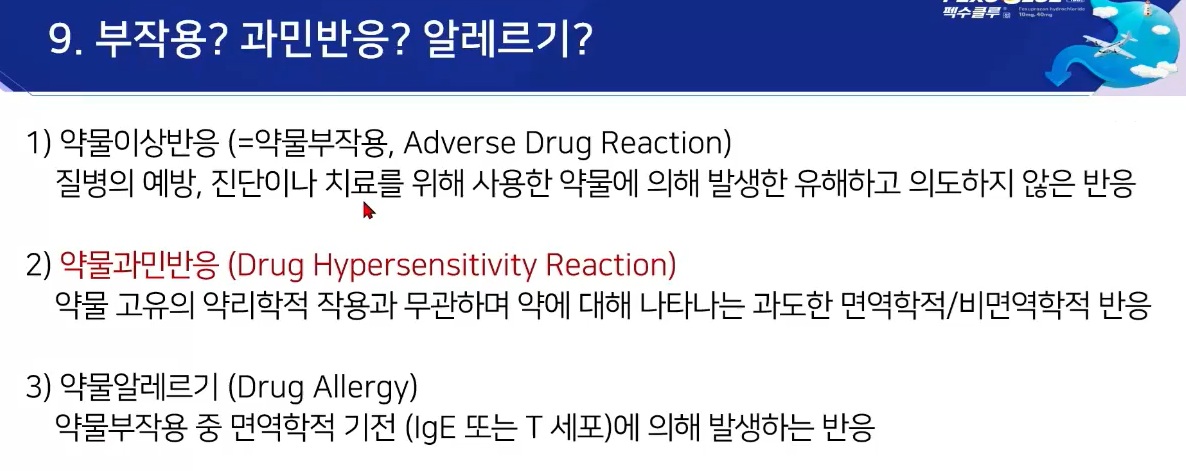
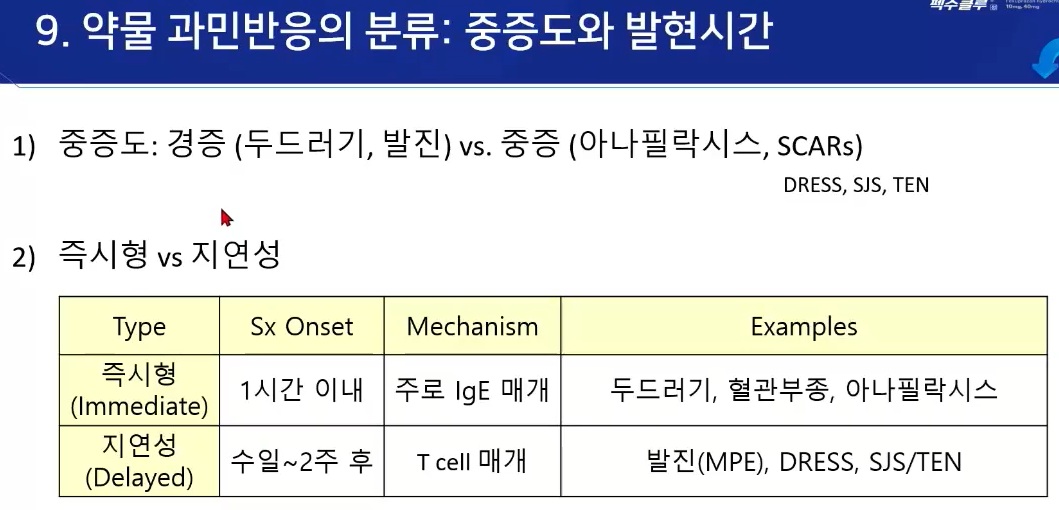
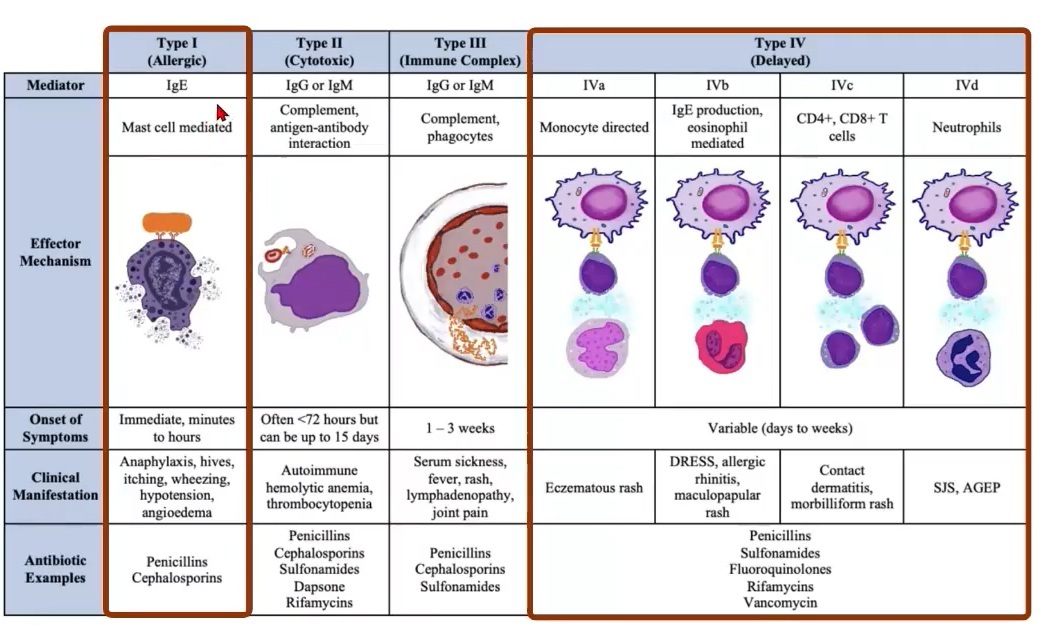
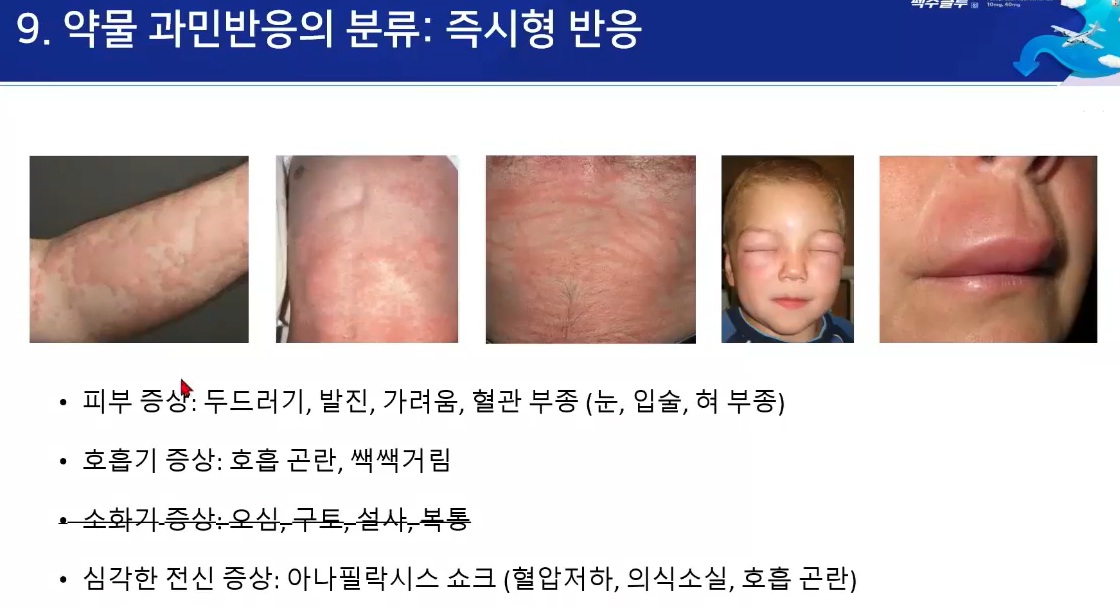
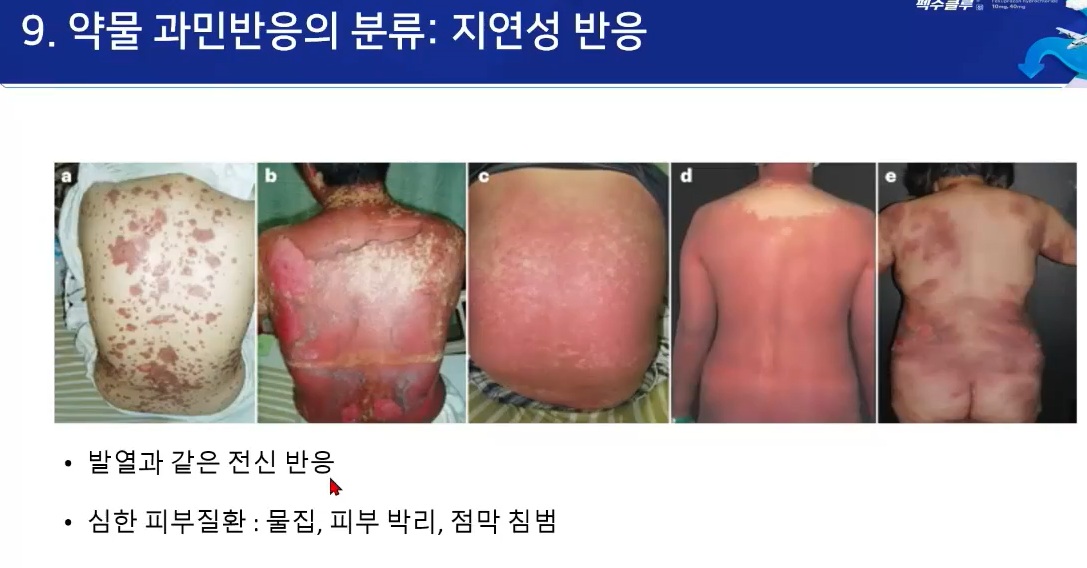
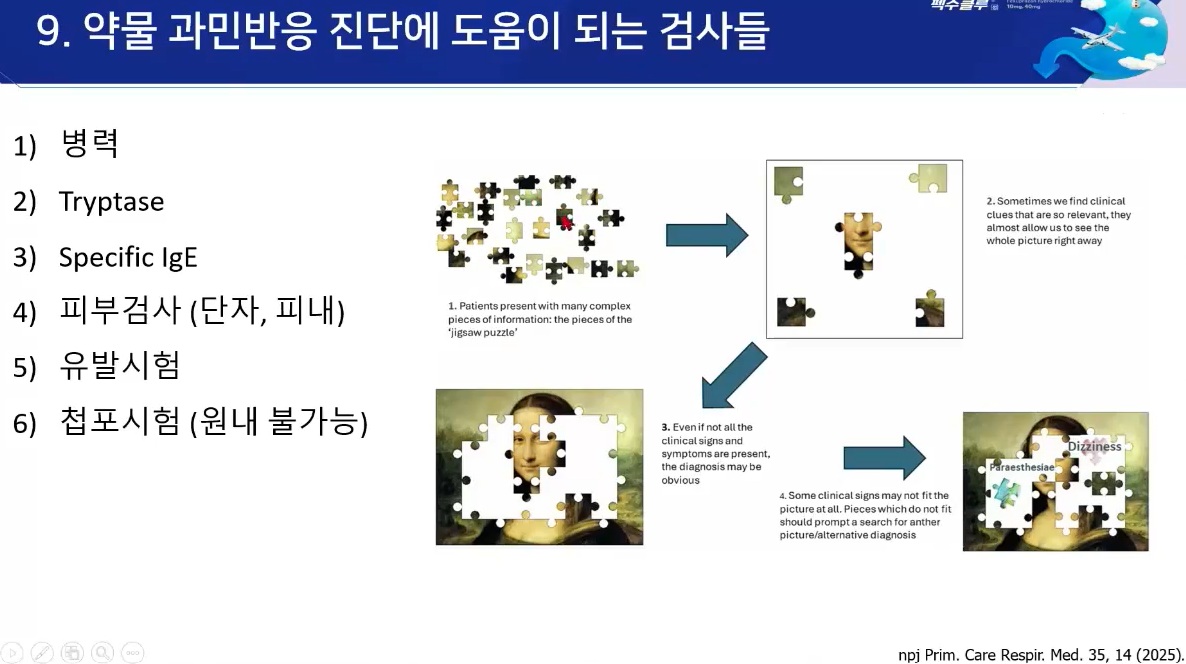
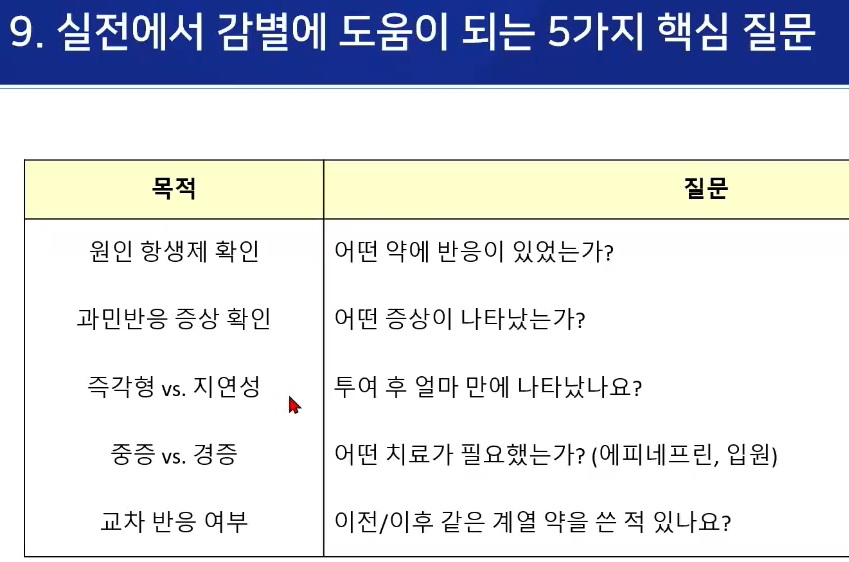
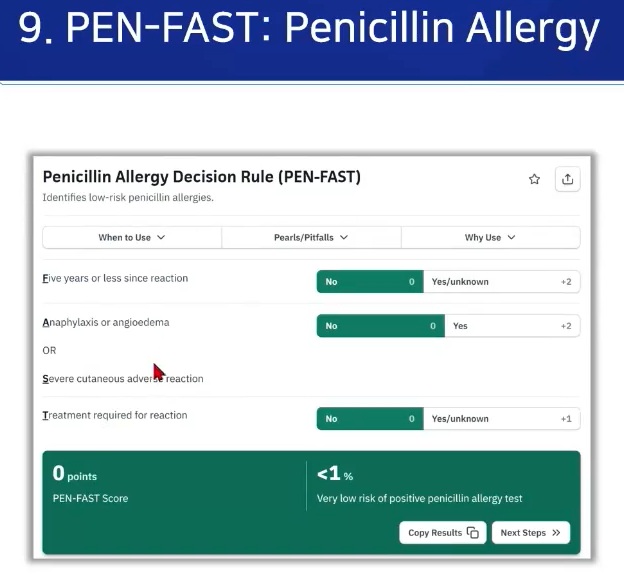
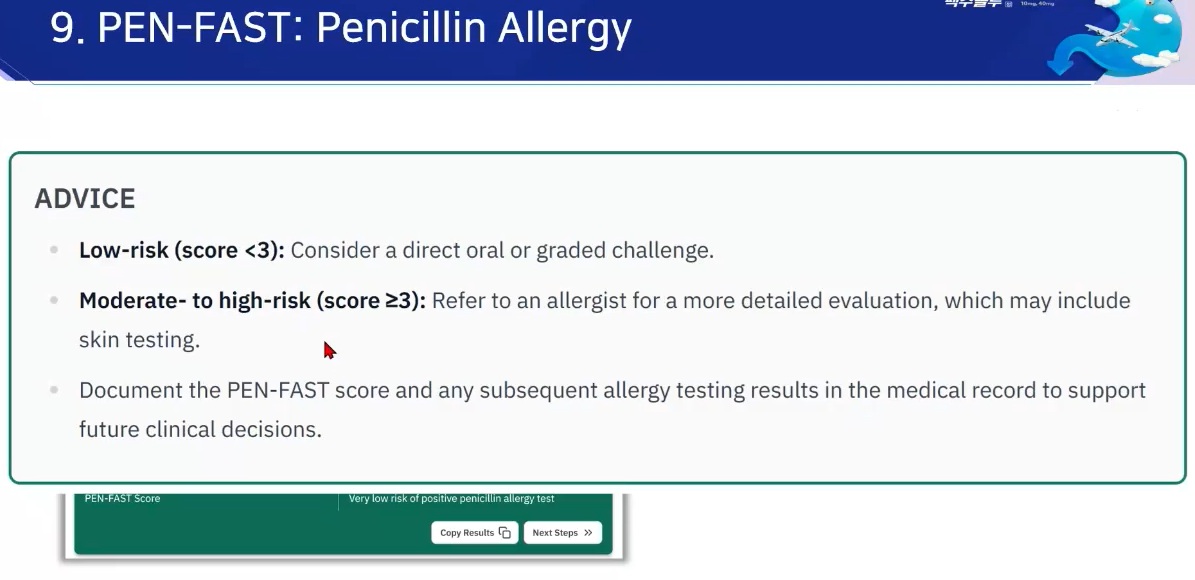
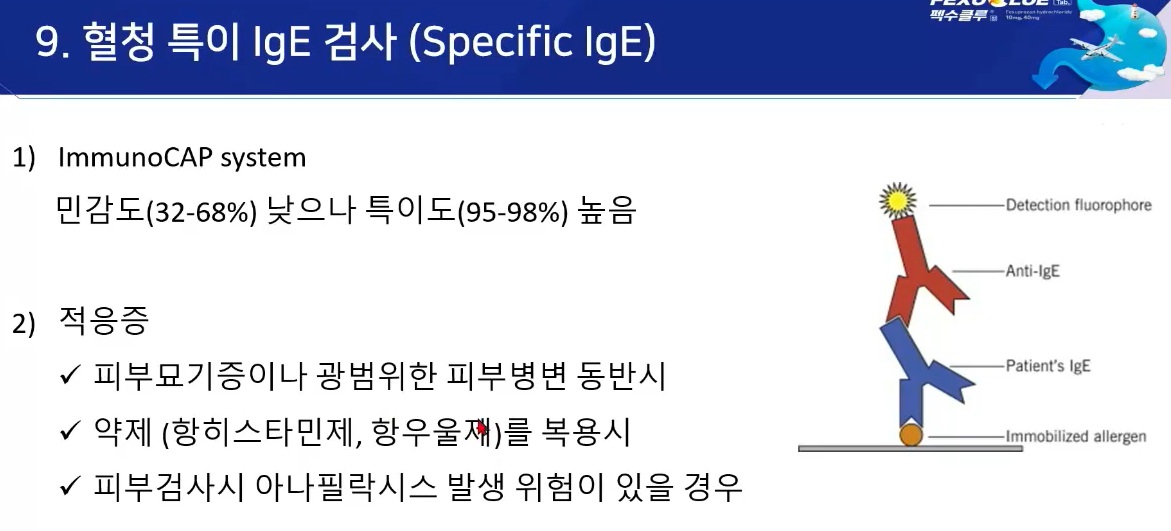
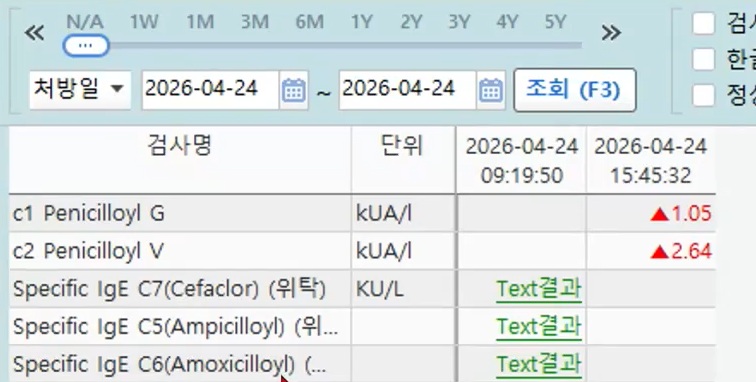
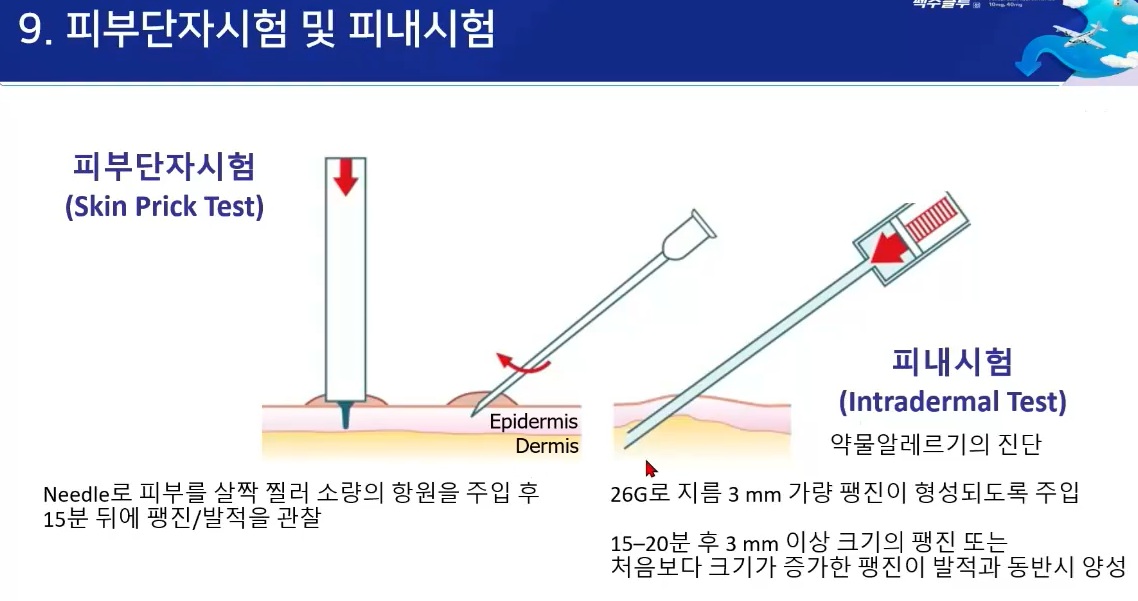
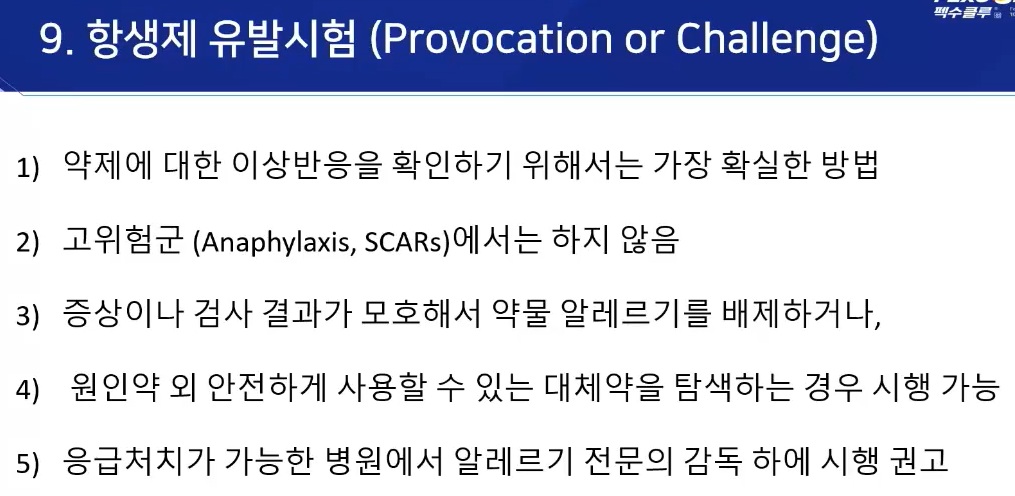
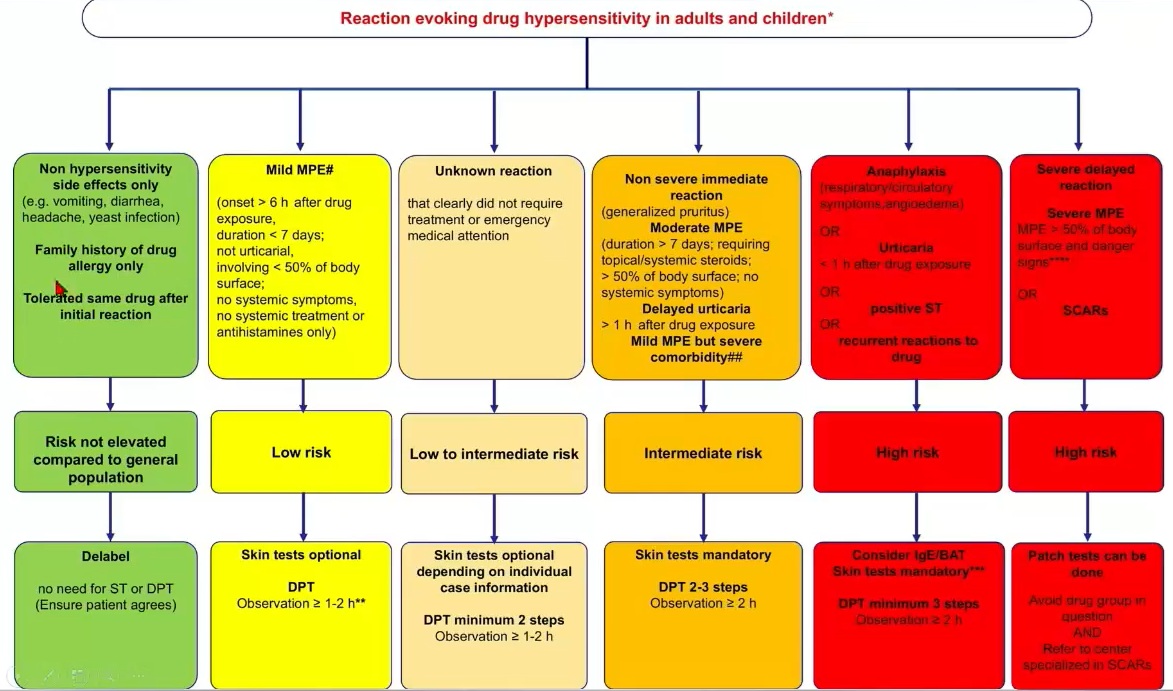
항생제 알러지가 아닌데 알러지로 알고 있는 분이 많습니다. 적절한 병력청취와 skin test와 challenge 등으로 이름표를 떼 주어야 합니다. Delabeling이라고 합니다.
대한내과학회지 2024 PDF
3. 세팔로스포린 알러지. Cephalosporin allergy
[2020-8-12. 애독자 질문]
젊은 여성분 검진에서 lymphofollicular gastritis, CLO positive 소견관찰되었습니다. 환자는 이전에 세팔로스포린 (세파제돈) 항생제 주사 투약후 rash 등 알러지 증상을 경험했다고 합니다. 4제 요법 (PPI + bismuth + tetracycline + metronidazole) 으로 처방했고 환자는 3일 복용하면서 점점 심해지는 두통을 경험한다고 문의가 와서 일단 복약 중단시켰는데요... 이런 경우 추후 제균치료 없이 f/u 만 해야 되는지 문의드립니다.
[2020-8-12. 이준행 답변]
Lymphofollicular gastritis의 경우 제균치료를 꼭 시행하고 있습니다. 환자의 페니실린/세파 계열 알러지 병력이 걱정인 상황입니다. 이 경우 정말로 allergy인 경우는 10% 정도라고 합니다. 따라서 allergy로 의뢰하여 항생제 내시경에 대한 정밀 검사를 받도록 권하는 것이 바람직합니다. 진짜 항생제 내성이 아니면 1차 치료를 포기할 이유가 없기 때문입니다. 4제 요법도 드시지 못한 분이므로 더욱 그러합니다. 관련하여 과거 자료도 아래에 붙여보았으니 참고하시기 바랍니다.
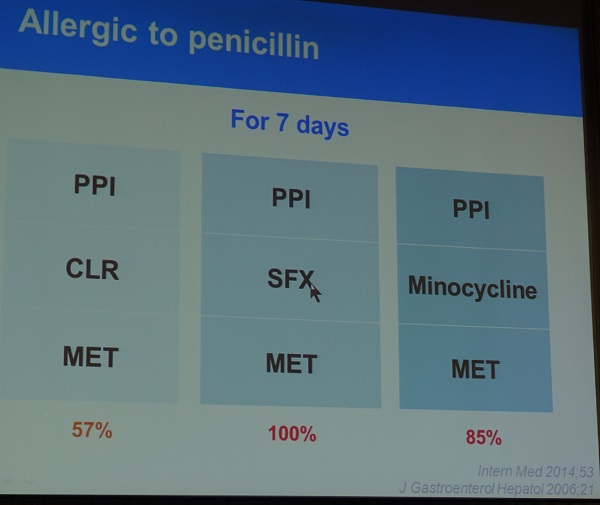
2016-12-3 헬리코박터 심포지엄에서 김광하 교수님께서 페니실린 알러지가 있는 환자에서 치료전략을 소개하셨습니다. 일본은 조금 특이한 약을 씁니다.
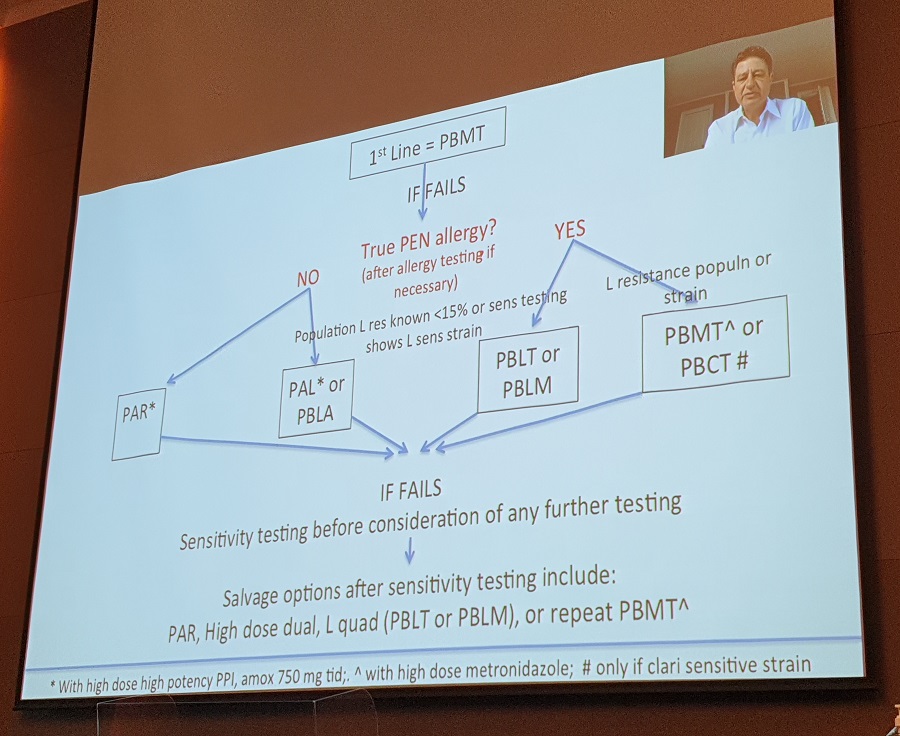
2020년 7월 17일 SI-HUG에서 Steven F. Moss 박사의 강의 중 일부입니다. Question "penicillin allergy," refer for allergy testing라고 언급하고 있습니다. 환자 스스로 penicillin allergy가 있다고 말하는 사람 중 실제 allergy는 많지 않다는 것입니다.
4. 임신 Pregnancy
임신 시 피해야 할 약. 2025-10-26. 헬리코박터 아카데미. 태정현 교수님
임신 시 피해야 할 약. 2025-10-26. 헬리코박터 아카데미. 태정현 교수님
[2015-8-4. SMC web-seminar 질문]
임신시 궤양은 어떻게 치료합니까?
[2015-8-4. 이준행 답변]
A. 제가 산부인과 의사가 아니므로 경험은 없지만 문헌에 의하면 H2RA나 PPI는 비교적 안전한 것 같습니다. 그러나 가급적 약을 쓰지 않거나 늦추는 것이 어떨까요? 사실 임신 시 위식도역류질환에서도 step up 치료를 권하고 있습니다. H2RA나 PPI를 가급적 쓰지 않으려는 시도입니다. 헬리코박터 제균치료는 임신 이후로 늦추어야 합니다. Misoprostol은 절대 금기입니다.
몇 개의 참고자료를 권합니다. 첫번째는 소화기내과의 입장이고 두번째는 산부인과의 입장입니다. 미묘한 차이가 있습니다만... 산부인과쪽 의견을 참고하는 편이 안전할 것 같습니다. 물론 각 환자 상태에 따라서 적절한 방법을 택하는 것이 최선일 것 같습니다만...
참고자료 1: The safety of drugs used in acid-related disorders and functional gastrointestinal disorders. Gastroenterol Clin North Am. 2010
Omeprazole is listed by the FDA as a pregnancy class C medication, whereas all other currently available PPIs are class B, which still denotes a possible serious risk to the fetus. Gill and colleagues recently published a systematic review evaluating the risk of PPI use in pregnancy. Among 1530 PPI-exposed subjects compared with 133,410 controls, they found no association between major fetal malformations, spontaneous abortions, or pre-term delivery. This lack of association was also apparent when omeprazole alone was investigated.
However, there is some suggestion that acid suppression alone may have an adverse affect on an exposed fetus. In a recent, large, case-control study investigating children with asthma, Dehlink and colleagues found a relationship between maternal gastric acid suppression with a PPI or H 2 RA and the development of childhood asthma (OR 1.43; 95% CI 1.29-1.59). The postulated mechanism, based on animal model data, is that acid suppression increases type 2 helper cell bias in their offspring, thus predisposing to increased atopy. Based on these data, the immediate fetal developmental risk of PPIs may be negligible. However, possible risks to the fetus that may only become manifest in childhood require further study.
H2RAs are commonly used in pregnancy to control reflux symptoms and seem to have no adverse effects on the fetus. Magee and colleagues investigated H2RA use among 178 women and matched controls in the first trimester of pregnancy and found no difference in adverse fetal outcomes. Ruigomez and colleagues analyzed a large population-based cohort of pregnant women who were exposed to cimetidine or ranitidine (or omeprazole) during the first trimester and found no increase in nongenetic congenital malformations with exposure to any of these medicines.
참고자료 2: Creasy and Resnik's Maternal-Fetal Medicine: Principles and Practice의 임신 중 소화성궤양 치료에 대한 부분을 옮깁니다.
Management begins with empiric treatment. Because PUD and GERD therapies are similar, a stepwise scheme should be followed before considering EGD. Dietary and lifestyle alterations include avoidance of fat-laden foods, acidic drinks, caffeine, chocolate, NSAIDs, and alcohol. Smoking, stress, anxiety, and nighttime snacks should also be avoided.
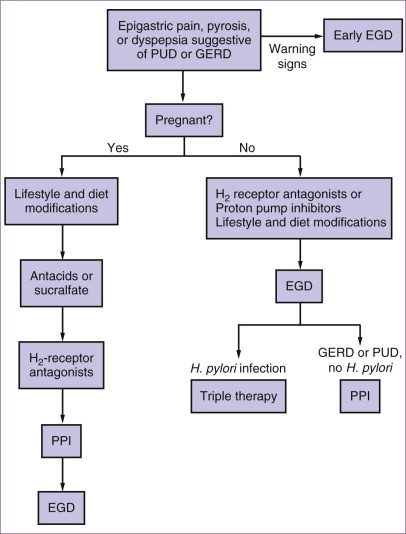
Antacids should be used as first-line medical therapy because they have been effective in approximately 75% of duodenal ulcers. Dosages range from 15 to 30?mL, taken 1 hour after meals and at bedtime. Extra doses may be taken 3 hours after meals. Aluminum- and magnesium-containing antacids have little systemic absorption and appear to be safe in pregnancy. Sucralfate, an aluminum-based polysaccharide complex, attaches to the surface of an ulcer, protecting the mucosa from further injury, and it may suppress H. pylori infection. Seventy-five percent of duodenal ulcers heal with 4 weeks of sucralfate therapy. Because of its minimal systemic absorption, it is a preferred drug for treating PUD in pregnancy.
H2-receptor antagonists are an effective treatment for PUD; about 80% of duodenal ulcers heal with this therapy in the general population. Before the discovery of H. pylori and the introduction of proton pump inhibitors, H 2 blockers were the mainstay of treatment. Their safety profile in pregnancy has not been adequately demonstrated. H 2 -receptor antagonists cross the placenta, but their use is justifiable if significant clinical conditions warrant. Cimetidine and ranitidine have had considerable use over the past 20 years. In animal studies, cimetidine has caused a reduction in the size of fetal testes, prostate, and seminal vesicles, presumably by means of a weak antiandrogenic effect. Ranitidine has no such effects in animals, and neither drug has had reports of genital malformations in humans. More than 2000 pregnancies in database studies with exposure to cimetidine or ranitidine have been assessed, and there has not been an associated risk for congenital malformations. There is less information reported for famotidine and nizatidine. Because of conflicting animal data for nizatidine, it is preferable to use the more extensively studied H 2 -receptor antagonists as first-line agents.
Proton pump inhibitors suppress gastric acid secretion at the level of the H + ,K + -ATPase on the parietal cell surface. These agents are highly effective in the treatment of esophagitis and gastroduodenal ulcers, and they are often used in combination therapy for eradication of H. pylori infection. In the nonpregnant population, proton pump inhibitors are usually the initial treatment for suspected or documented reflux esophagitis and PUD. H 2 -receptor antagonists, sucralfate, and antacids are used as secondary medications and for symptomatic relief. During pregnancy, therapy should be modified to avoid fetal harm and also because PUD usually improves during gestation. EGD is usually avoided unless the patient is failing empiric therapy with H 2 -receptor antagonists. There appears to be little benefit in diagnosing H. pylori infection during pregnancy, because treatment involves triple-drug therapy, including antibiotics, and it is usually deferred until after delivery.
참고자료 3: Medscape에는 아래와 같이 쓰여 있습니다.
H2-receptor antagonists (eg, cimetidine, ranitidine, famotidine) are the first choices of treatment for peptic ulcer disease. Treatment for Helicobacter pylori gastritis should be initiated after the pregnancy and breastfeeding periods are complete, because some of the recommended medications are relatively contraindicated in pregnancy. Lansoprazole has been reported to be safe in pregnancy.
* 참고: EndoTODAY 임신 시 내시경
5. Statin 사용 환자
Atorvastatin을 복용하는 환자가 H. pylori 제균치료를 하려 합니다. Clarithromycin과 statin은 병용 금기라고 되어있는데, 이런 경우, statin을 잠시 끊으시는지, 아니면 clarithromycin이 들어가지 않는 제균요법을 하시는지 궁금합니다. 만약 잠시 statin을 끊는 경우, 어느 정도 기간동안 끊어야 하는지도 궁금합니다.
[2021-6-13. 이준행 생각]
Rhabdomyolysis 위험이 문제인 것으로 알고 있습니다. 저는 clarithromycin을 복용하는 동안에만 atorvastatin을 복용 중단하도록 권하고 있습니다.
[2020-6-7. 애독자 질문]
고혈압과 고지혈증이 있는 환자에서 헬리코박터 제균치료를 처방하면 clarithromycin과 statin계 약물의 상호작용에 대한 pop-up 경고창이 뜨는 경우가 많습니다. 최근에는 듀카로정을 복용 중인 환자에서 제균치료를 해야 하는 경우가 있어 고민한 적이 있습니다. 교수님은 어떻게 하고 계시는지요?
[2020-6-7. 이준행 답변]
Macrolide계 약물인 clarithromycin에 의해 statin계 약물 중 CYP3A4 대사에 영향을 많이 받는 simvastatin, lovastatin 등의 혈중농도가 증가하여 근육병증의 위험성이 증가될 수 있기 때문에 경고창이 뜨는 것 같습니다. 저는 1차 제균치료 약 드시는 1주일 동안 statin계 약물을 잠시 중단하도록 하고 있습니다.
사실 statin 약제가 CYP3A4에 의해 대사되는 정도 다르기 때문에 모든 statin에 대하여 동일하게 중단을 권해야 하는지는 고민입니다. Prescriber Update 2014;35:12에는 아래와 같이 되어 있었습니다.
- Simvastatin and to a lesser extent atorvastatin are metabolised by the hepatic isoenzyme CYP3A4.
- CYP3A4 inhibitors may increase the plasma concentration of these statins, increasing the risk of adverse reactions such myopathy and/or rhabdomyolysis.
- If a potent CYP3A4 inhibitor such as erythromycin must be used, then simvastatin or atorvastatin therapy should be stopped for the duration of therapy.
- Fluvastatin, pravastatin and rosuvastatin are not significantly metabolised by CYP3A4 and are less susceptible to CYP interactions.
- CYP3A4 inducers may reduce the effectiveness of some statins; therefore, lipid profiles should be monitored if co-prescribed.
문제는 고혈압약과 statin의 복합제를 드시는 분이 많으므로 statin계 약물만 중단하기 어렵다는 것입니다. 듀카로정은 angiotensin ll receptor blocker 피마사르탄과 calcium channel blocker 암로디핀, 그리고 로수바스타틴을 결합한 고정용량 3제복합제입니다. Rosuvastatin은 CYP3A4에 의해 주로 대사되는 종류는 아니므로 약을 끊어야 하는지 고민이었지만... 저는 1주일 동안 듀카로정을 중단하고 대신 amlodipine 5mg을 복용하면서 혈압을 몇 번 측정해 보실 것을 권하였습니다. 고혈압 약 두 가지 중 한 가지를 며칠 끊는다고 큰 문제가 발생할 것 같기 않았기 때문입니다. Fimasartan은 처방해 본 적이 없어서 amlodipine을 골랐습니다.
6. Warfarin 사용 환자
[2021-5-4. 애독자 질문]
PTE로 2년반 전부터 warfarin 복용중인 60대 후반 여성입니다. 2년 전 내시경에서 erosive gastritis 소견이고 H. pylori 양성이었으나 제균치료는 하지 않았고 최근 내시경에서 궤양 소견이 없는 CSG 였습니다. 이런 경우 H.pylori 제균약 복용을 권장할 수 있을까요? 제균 항생제 중 clarithromycin, metronidazole, levofloxacin 등은 warfarin과 상호작용이 강한걸로 알려져 있는데요...
정기적 내시경 관찰만 설명드리면 될까요? 추후 ulcer가 생겨서 제균치료를 권한다면 어떤 regimen을 할 수 있을까요?
[2021-5-5. 이준행 답변]
Warfarin 사용 환자는 늘 drug interaction이 걱정입니다. 많은 항생제가 warfarin 사용자의 INR을 올리는 것으로 알려져 있지만, therapeutic range에서 stable하게 warfarin을 복용하는 환자에서 1-2주의 단기 항생제 치료가 INR을 급격하게 올리는 경우는 드물 것 같습니다 (JAMA Intern Med 2014). 그래도 주의할 필요는 있습니다. PPI에 의한 영향도 고려해야 합니다.
다양한 기전에 의하여 warfarin drug interaction이 발생합니다.
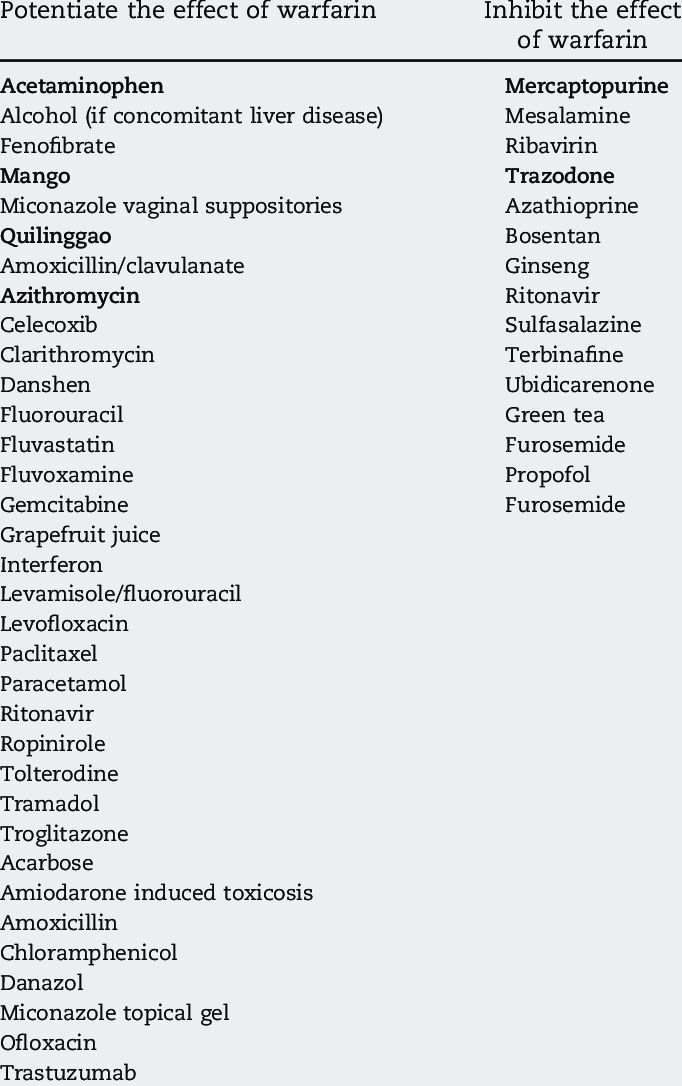
그 중 항생제와 관련된 것은 장에서 vitamin K 대사,흡수에 미치는 영향(예, clarithromycin)과 cytochrome P450(예, metronidazole)의 영향이 주된 기전입니다.
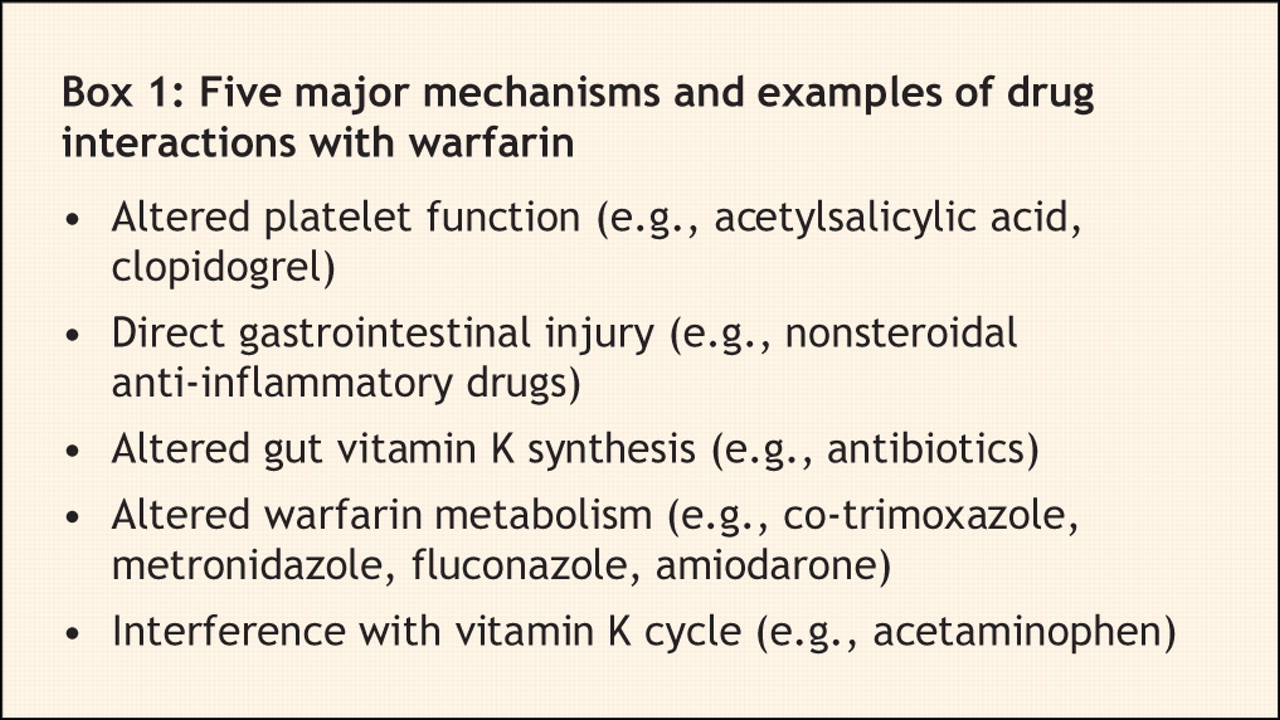
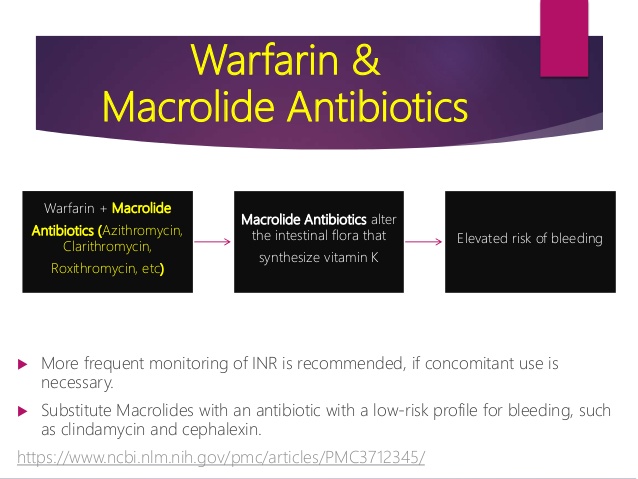
헬리코박터 제균치료에 사용하는 항생제 중 INR에 미치는 영향이 가장 큰 것은 metronidazole입니다. 표준 3제요법은 상대적으로 덜할 것 같습니다.
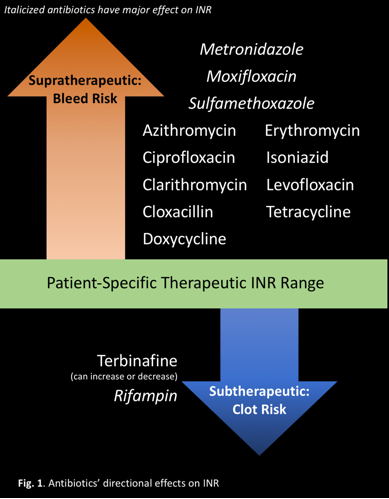
만약 warfarin 사용자에서 헬리코박터 제균치료를 한다면 어떤 점을 고려해야 할까요? 다음은 저의 추천입니다.
- Prothrombin time (INR) 확인. Therapeutic range에 들어와 있는 것을 확인한 후 제균치료를 시작하기 바랍니다.
- 표준 3제요법
- 투약기간 2주
- 치료 중간에 prothrombin time (INR) 재검 (optional)
사실 2주 투약 중간에 반드시 prothrombin time (INR) 검사를 해야 하는지 고민하고 있습니다. 몇 분의 환자에서 치료해 보았는데 3-5일 시점의 INR은 별 변화가 없었습니다.
문의하신 환자의 경우에 대하여 답하면 Hp 감염은 있으나 내시경 육안소견이 chronic superficial gastritis이고 pulmonary thromboembolism으로 warfarin을 드시고 있다면 Hp 제균치료의 절대적응증은 아닙니다. 제균치료를 하지 않아도 무방하다고 생각합니다.
7. Colchicine 사용 환자
[2021-1-13. 질문]
헬리코박터 제균치료를 하는 환자에서 PPI, amoxicillin, clarithromycin을 처방하였는데 colchicine과 상호작용 경고가 생성되었습니다. 혹시 관련된 내용을 알려주실 수 있는지 문의드립니다.
[2021-1-13. 약제부 답변]
제품 설명서에는 다음과 같이 기술되어 있습니다. "Clarithromycin : 콜키신과 병용투여 시, 특히 고령자와 일부 신부전환자에서 콜키신 독성이 보고되었으며 일부에서는 사망사례도 보고되었다. 콜키신은 CYP3A 및 유출운반자(efflux transporter)인 P-glycoprotein(Pgp)의 기질이다. 클래리트로마이신과 다른 마크로라이드계 항생물질은 CYP3A 및 Pgp를 억제하여 콜키신에 대한 노출이 증가될 수 있으므로 콜키신과 이 약을 병용투여해서는 안 된다."
PPI, amoxicillin, clarithromycin과 colchicine clarithromycin과 colchicine의 병용처방은 "콜키신에 대한 노출 증가 가능"의 이유로 2018년 11월 5일 고시되어 원내 병용금기 적용되어 있습니다. 원내 병용금기는 처방전 내 점검 시 처방이 불가하나, 타과 처방, 타병원 처방의 경우 처방전 간 점검되어 사유 입력 후 처방 가능합니다.
Uptodate, Micromedex 참고 시 Clarithromycin은 CYP3A4 억제, P-glycoprotein 억제하여 colchicine의 혈중농도를 증가 시킬 수 있고, 병용 시의 이상반응 발생이 case report로 보고되어 있습니다. 통풍 치료로는 colchicine을 0.6 mg 1회 투여 후 1시간 뒤 0.3 mg 투여하는 방법으로 감량 권고하였고, 통풍 예방으로는 1일 1회 colchicine 0.3 mg 투여로 감량 권고하였습니다.
8. 소아청소년 제균치료
[2022-6-7. 애독자 질문]
부산에 사는 구독자입니다.
간혹 청소년(중학생, 고등학생)에서 소화불량으로 치료하다 차도가 없어서 내시경을 한 경우 lymphofollicular gastritis가 종종 발견됩니다.
HP 급성감염과 관련된 증상으로 생각하고 HPE 3제 요법을 try하였는데 제균되지않은 경우를 경험하여 이런 경우에는 교수님께서는 어떻게 대처하시는지 고견 문의드립니다. 4제 요법의 tetracycline이 청소년기 금기로 되어 있어 난감한부분입니다.
[2022-6-16. 소아청소년과 김미진 교수님 답변]
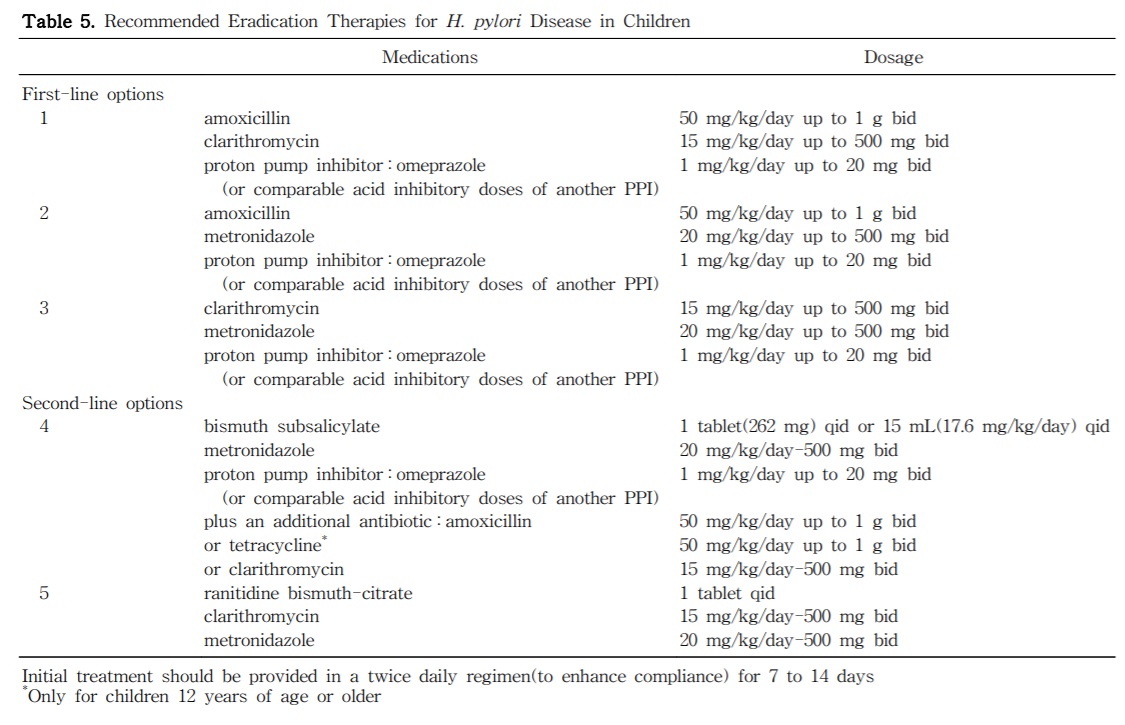
가장 최근에 나온 공식화된 소아 가이드라인은 2016 ESPGHAN/NASPGHAN guideline (유럽/북미 소아소화기영양학회)입니다. 아래 figure 대로 PPI-AMO-CLA 3제 요법 사용 후 제균이 되지 않았다면 일반적으로 PPI-AMO-MET을 사용하도록 권고하고 있습니다.
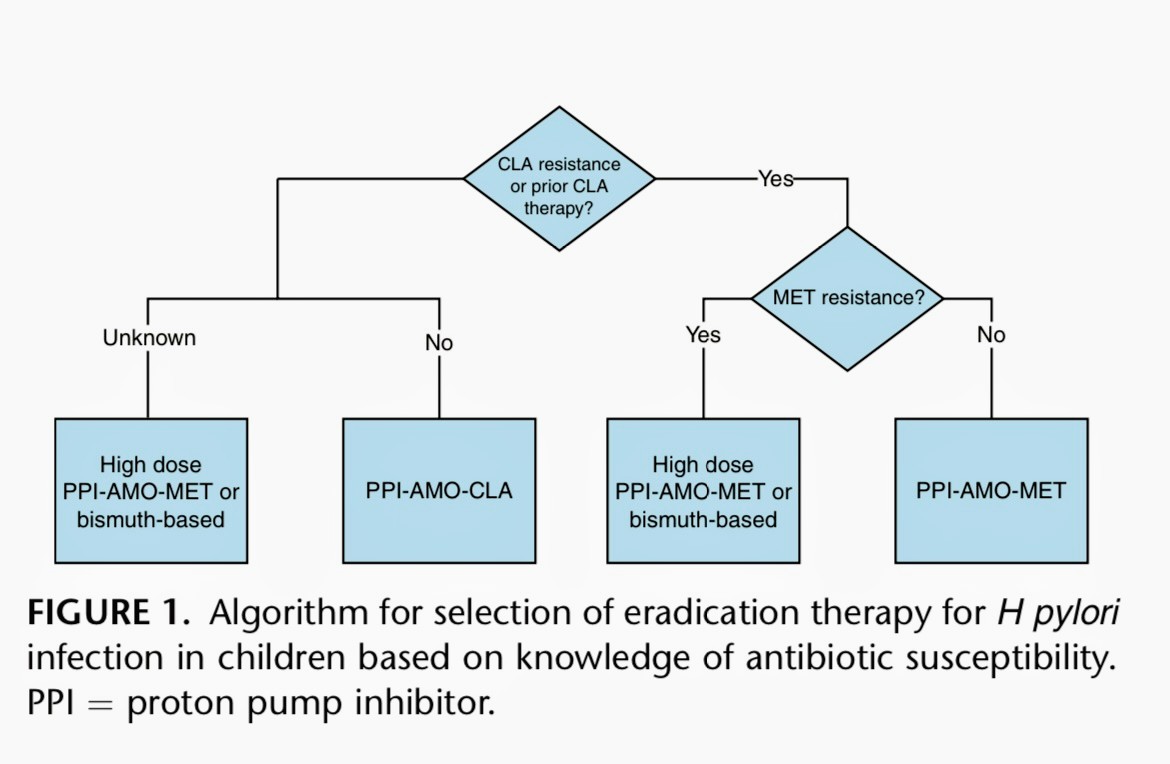
그러나, 첫 치료를 PPI-AMO-MET로 사용했다면 PPI-AMO-CLA로 바꿔서 사용하도록 하고 있습니다. 말씀하신대로 tetracycline은 소아 제균치료 요법에 들어있지 않습니다.
[2022-6-21. 건국대 이선영 교수님 답변]
엔도투데이를 보다가 작년 9월에 대한상부위장관-헬리코박터학회지에 게재된 종설 "소아청소년에서 헬리코박터 파일로리 감염 제균 치료의 변화"이 생각나서 보내드립니다. Tetracycilne을 사용하는 사례도 있다고 하므로, 첨부파일의 표 1,2을 애독자분께도 소개해 주시면 매우 감사하겠습니다.
PDF 0.4M
9. 저체중
[2018-10-6. 애독자 질문]
이준행 교수님께. 교수님의 엔도 투데이에서 많은 도움을 받고 있는 검진센터에서 일하면서 위내시경을 하고 있는 가정의학과 의사입니다.
궤양 등 병변이 있거나 위축성 위염이 있으면서 헬리코박터균 검사 원하시는 분 등에게 CLOtest를 시행하여 양성으로 나온 분들에게 제균치료를 실시하고 있습니다. 간혹 성인 여성 중 35kg~42kg 정도로 아주 마른 분들이 있습니다. 보통의 용량이 40kg도 안 되는 분들에게는 과하지 않나 고민입니다. 혹시 체중에 따른 용량 조절에 대해서 학회에서 논의된 바가 있는지, 그리고 교수님은 일괄적으로 그대로 약을 주시는지 궁금합니다. (결핵약은 50kg 기준으로 다르게 약을 투여하니까요.)
[2018-10-6. 이준행 답변 질문]
소아의 용량을 참고하면 좋을 것 같습니다. 소아청소년과에서 사용하는 amoxicillin 용량은 50mg/kg/day로서 40kg이면 성인의 통상 용량 2g/day가 됩니다. 소아청소년과에서 사용하는 clarithromycin 용량은 15mg/kg/day로 67kg이면 성인의 통상 용량 1g/day가 됩니다.
약 40kg의 성인이라면 amoxicillin은 성인 용량을 그대로 쓰면 되고, clarithromycin은 약간 과용량이 되는 셈입니다. 저는 40kg의 성인이면 통상 용량과 동일하게 처방하고 있습니다. 영 마음에 걸리시면 clarithromycin 250mg bid를 쓰셔도 무방할 것 같습니다. 이 경우는 15mg/kg/day에 약간 모자랍니다. 그러나 일본을 참고하면 용량이 적은 것도 아닙니다. 일본은 우리나라의 500mg bid가 아니라 200mg bid를 쓰기도 하기 때문입니다.
참고로 일본에서는 우리나라보다 항생제를 조금 약하게 사용합니다. 1차 제균치료 약제로는 Amoxacillin 750 mg+Clarithromycin 200 mg (or 400mg)+protop pump inhibitor (PPI) 세가지 약제가 하루 두번씩 7일간 보험적용이 됩니다.
요컨데 40kg의 성인에서 PPI와 amoxicillin은 통상용량을 써도 좋고 clarithromycin은 통상용량 혹은 절반 용량을 투여하면 되겠습니다. 저는 그냥 모든 약을 통상 용량으로 처방하고 있습니다.
[FAQs]
[2026-9-14. 질문]
최근 HP 제균치료 가이드라인이 바뀌면서 PAMC concomitant 10일이 1st choice 인 것으로 배웠습니다. CKD, s/p warfarin for mechanical valve, statin 복용 중 속쓰림을 주소로 오셨고 EGD 상 atrophic gastritis 와 함께 Bx 상에서 H.pylori 가 확인되어 제균치료가 필요한 것으로 생각됩니다. 다만 다약제 복용중이며 신기능도 저하되어 있어 이런경우 실제 항생제도 renal dosing 을 하는지 여쭙습니다. 이전 보내주신 메일 중 특수한 상황에서의 HP 제균치료에서 statin 단기 중단 및 WFR 은 1주 후 INR f/u 이 필요하다고 하셨는데 해당 환자의 경우에서도 동일하게 적용하여 제균치료 하면 좋을지 상의 드립니다.
[2026-9-14. 김태세 교수님 답변]
1. CKD 환자에서 renal dosing을 해주시는 것은 바람직한 일입니다. 그렇게 하셔도 좋습니다. 하지만 통상 CCr 30 이상일 경우에는 renal dosing을 하지 않아도 단기 투약 후 큰 문제가 없는 것으로 알려져 있어 대개는 CCr 30 미만일 경우에 half dosing 정도를 하고 있다는 점을 고려해주시면 될 것 같습니다. Regimen 측면에서 CKD 환자는 Bismuth는 피하는 것이 좋겠습니다.
2. Warfarin 사용자는 제균치료가 항상 곤란합니다. 상호작용이 많아 어떻게 될지 모릅니다. 이 환자의 경우를 생각해보면, 꼭 제균치료가 필요할까요? 그리고 지금 필요한까요? 최소한 급하지는 않아 보입니다. 조직검사로 진단된 헬리코박터 감염은 위양성일 수도 있거니와, 내시경 소견이 급성기 헬리코박터 감염으로 증상을 유발할 상황은 아닙니다. 저라면 1년 뒤 EGD F/U 하면서 H. pylori detection & Clarithromycin 내성 PCR 검사를 시행하여 tailored therapy를 고려하겠습니다. Clarithromycin S 로 나오면 7일만 딱 치료하면 risk를 최소화 할 수 있고, Clarithromycin R로 나와서 Metronidazole이나 Bismuth 등을 사용해야 하는데 모두 기저질환 및 약제 상호작용으로 어려운 상황이면 상황을 설명하고 regular surveillance 하시면 됩니다.
보다 많은 질문은 EndoTODAY 헬리코박터 FAQs를 참고하십시오.
[References]
4) The Most - 실전 헬리코박터 감염의 진단과 치료 2026-9. PDF
5) Pharmacology and antibiotic resistance in H. pylori eradication PDF. 암호 있음 (smcgi). 방창석 KJDE 2026
6) 다양한 임상상황에서 헬리코박터 제균치료 PDF. 2025 헬리코박터 아카데미. 태정현 교수님.
© 일원내시경교실 바른내시경연구소 이준행. EndoTODAY Endoscopy Learning Center. Jun Haeng Lee (since 1999-8-23)
 home
home